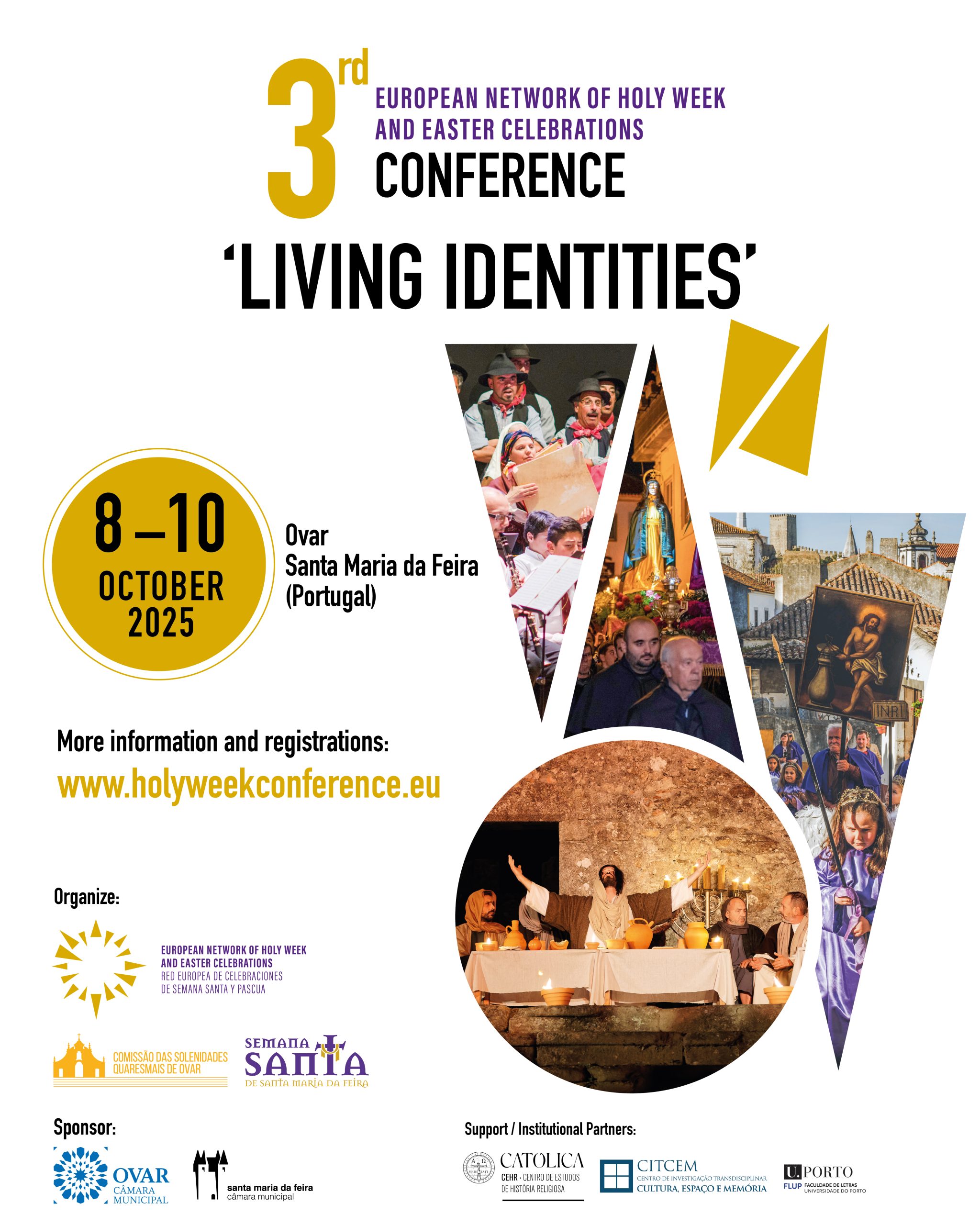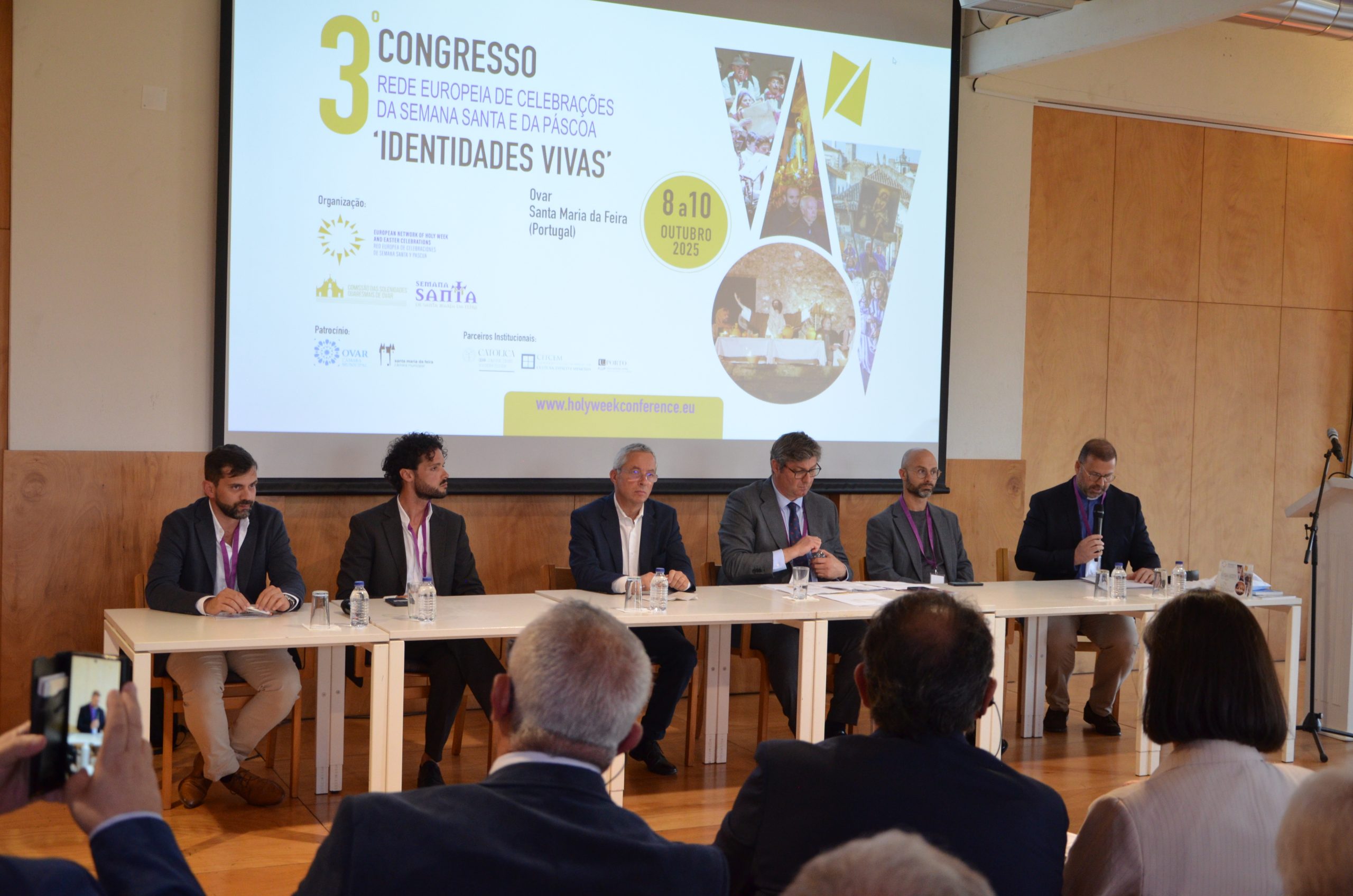


The fourth edition of the Days of the European Network of Holy Week and Easter Celebrations has arrived
- The program includes more than fifty activities that will take place throughout the month of October.
- This annual event involves more than a dozen municipalities from the European Network’s members in Malta, Portugal, and Spain.
- The initiative offers the opportunity to discover, outside its usual season, the cultural heritage linked to Holy Week and Easter.
23.09.2025.- The European Network of Holy Week and Easter Celebrations is holding the fourth edition of the ‘Days of the European Network of Holy Week and Easter Celebrations’ throughout the month of October.
This annual program includes more than fifty activities taking place in over a dozen municipalities belonging to the Network. This year, the participating countries are Spain, Malta, and Portugal.
This initiative aims to promote both the tangible and intangible cultural values of Holy Week beyond the dates of its celebration. At the same time, it offers residents and visitors an attractive cultural and tourism program. Since during Holy Week and Easter people are mainly focused on living their own traditions, these Days represent a unique opportunity to explore this valuable heritage in different parts of Europe, helping to raise awareness of it outside its usual season and to discover it from a different perspective.
Each town organizes its own program, which includes guided tours of museums, churches, and exhibitions; conferences, concerts, and workshops; processions, themed routes, and open days. From religious imagery, sacred music, and popular traditions to educational activities for children, the program seeks to highlight the tangible and intangible heritage of Holy Week and Easter, bringing local audiences and visitors closer to the cultural, historical, and spiritual richness of these celebrations in different European cities.
More about the European Network
The European Network of Holy Week and Easter Celebrations, created in 2019, is an organization dedicated to promoting the traditions linked to these celebrations, thus contributing to the safeguarding of their valuable heritage. Its main objective is to foster greater awareness of the values of this extensive legacy, which remains present and alive across much of Europe. A heritage that, while reflecting notable local particularities, is shared as a common element in many regions. The Network currently brings together nearly 40 members from Croatia, Slovenia, Spain, Italy, Malta, Portugal, and Serbia.