Each spring, many cities and towns across Europe experience a particularly meaningful period surrounding Lent, Holy Week, and Easter—celebrations that form part of their identity throughout the year. Preparations fill churches and streets, announcing the beginning of a cycle deeply rooted in European culture.
Beyond the religious calendar, this time constitutes a shared cultural landscape where spirituality, art, and community life intertwine. Across the continent, these celebrations reveal how traditions passed down for centuries continue to shape the identity of many communities, connecting diverse cultures through common elements such as historical memory, artistic heritage, and community participation.
In this context, Lent marks the beginning of a journey that culminates in the intense celebrations of Holy Week and the atmosphere of renewal symbolized by Easter.
The Historical Origins of Lent in Europe
Lent has its roots in the early centuries of Christianity. Since then, the forty days preceding Easter have been established as a period of spiritual preparation characterized by prayer, reflection, and fasting. Inspired by the biblical account of Jesus’ forty days in the desert, this practice gradually developed a stable structure within the liturgical calendar in both the Western and Eastern Christian traditions.
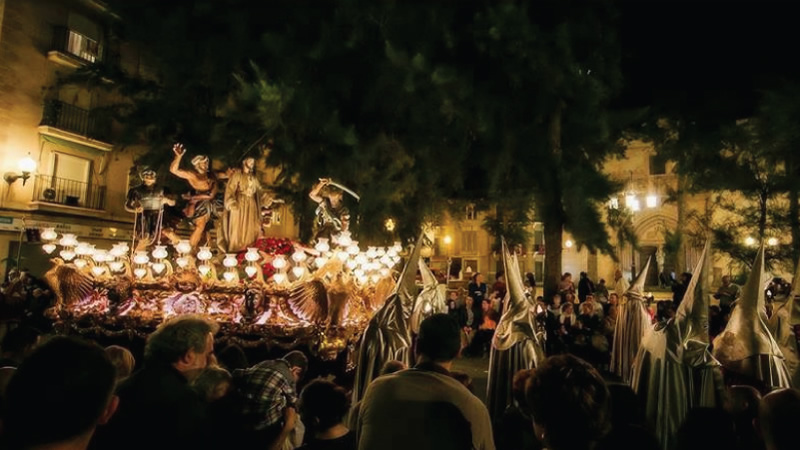
During the Middle Ages, Lent became deeply integrated into European social life. Churches, monasteries, confraternities, and religious associations began organizing public acts of devotion, processions, and communal practices that evolved over time. Many of these manifestations combined spirituality, art, and popular participation.
In this context, the so-called “substitute pilgrimages” also emerged in Europe. Because traveling to the Holy Land was difficult during certain historical periods, many communities began symbolically recreating the route of Jerusalem’s Via Dolorosa in their own towns or nearby hills. Over time, these practices developed into devotional routes and Stations of the Cross that still form part of Europe’s cultural landscape today.
Around these rituals, numerous religious corporations were founded—such as brotherhoods and confraternities—responsible for safeguarding sacred images, organizing ceremonies, and preserving the collective memory associated with the Passion of Christ. These associations have played a fundamental role in preserving the traditions that today define the culture of Lent and Holy Week in many parts of Europe.
Although contemporary society has changed profoundly, the meaning of Lent remains recognizable: a time of preparation that invites reflection while simultaneously activating community life through shared traditions.
A Diversity of Cultural Expressions
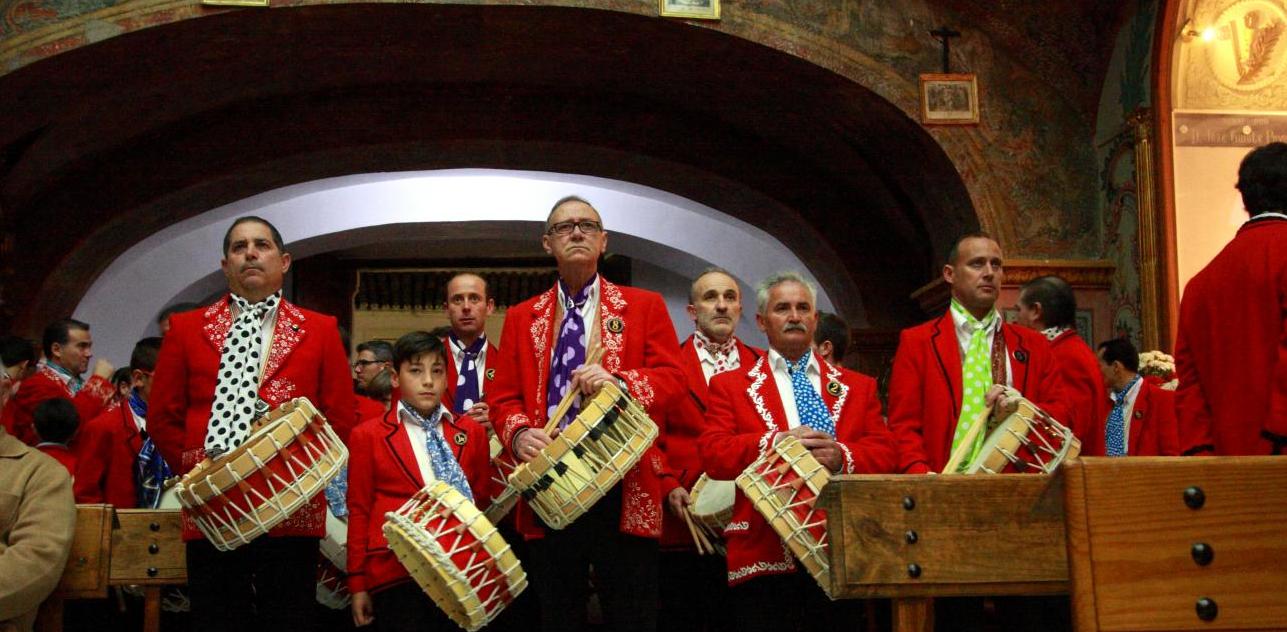
Sábado de Romanos, Puente Genil (Lent in Spain)
One of the most fascinating aspects of Lent in Europe is the diversity of ways in which it is experienced. Although the spiritual background is shared, each territory expresses this period according to its own history, culture, and local traditions.
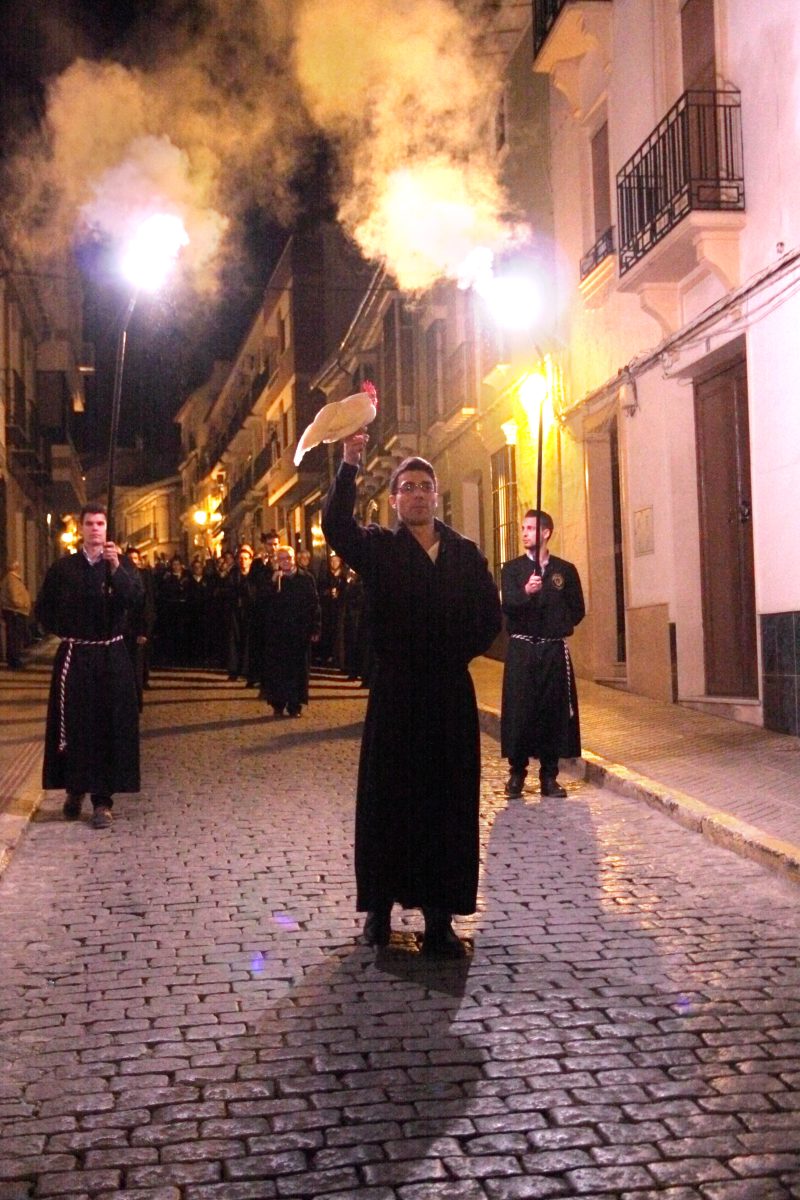
In Spain, Lent is often marked by an atmosphere of preparation that intensifies week by week. Confraternities and brotherhoods organize religious services, concerts of processional music, transfers of sacred images, and events that announce the arrival of Holy Week. In cities such as Lorca, Orihuela, and Viveiro, as well as in the Andalusian municipalities that form the Caminos de Pasión route (Alcalá la Real, Baena, Cabra, Carmona, Écija, Lucena, Osuna, Puente Genil, Priego de Córdoba, and Utrera), art, devotion, and citizen participation intertwine within a calendar that forms an essential part of local life.
Italy offers a different expression, where rituals are often characterized by a solemnity strongly linked to Mediterranean tradition. In many localities—such as Caltanissetta, Enna, and Palermo—processions and ceremonies take place with strong symbolic significance and deeply rooted community participation.
Portugal also preserves a tradition marked by the historical continuity of its liturgical rites. Cities such as Braga, Santa Maria da Feira, Ovar, Óbidos, and Idanha-a-Nova maintain celebrations of great cultural relevance that have reached the present day with remarkable fidelity to their historical forms.
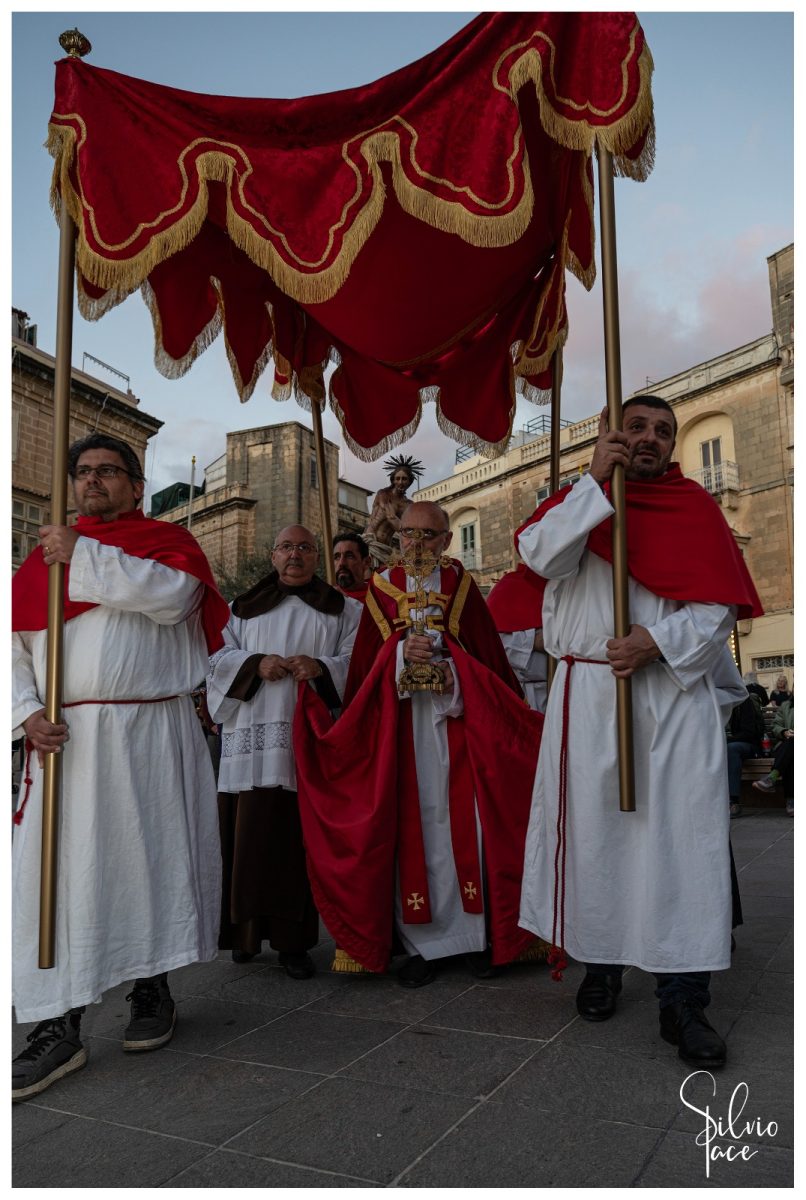
Lent in Birgu. Author: Silvio Pace
In Malta, Mediterranean devotion is expressed through processions featuring sculptural groups, parish celebrations, and traditions that involve entire neighborhoods. Notable municipalities include Birgu, Birżebbuġa, Għaxaq, Gudja, Ħal Qormi, Ħamrun, Luqa, Marsa, Marsaskala, Marsaxlokk, Santa Luċija, Santa Venera, and Żejtun.
Further toward the Adriatic and Central Europe, Croatia and Slovenia present manifestations that combine diverse cultural influences. In Croatia, towns such as Jelsa and Korčula maintain deeply rooted traditions linked to Lent and Holy Week, with processions, traditional chants, and celebrations transmitted from generation to generation. In Slovenia, a remarkable example is the Passion Play in Škofja Loka, where hundreds of residents participate in a historical reenactment that transforms the town into a vast living stage.
Meanwhile, in territories of Orthodox tradition such as Serbia and Greece, the so-called Great Lent takes on an especially intense dimension, marked by long periods of fasting, liturgical chanting, religious celebrations, and a profound atmosphere of spiritual reflection. In Serbia, towns such as Loznica preserve traditions connected to this period that combine liturgy, devotional practices, and communal celebrations passed down through generations.
This cultural mosaic demonstrates how Lent, even when originating from a shared source, becomes a plural experience reflecting the cultural richness of the European continent.
Craftsmanship, Gastronomy, and Music: The Cultural Fabric of Lent
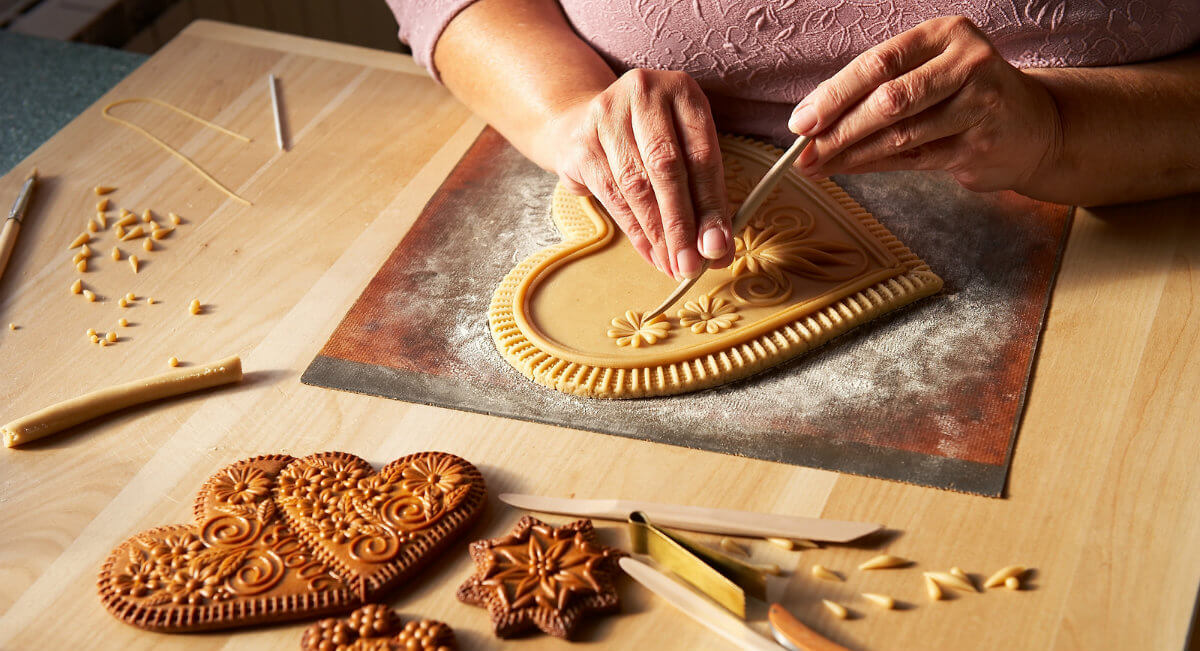
Craft traditions in Škofja Loka, Slovenia
Beyond its liturgical dimension, Lent is also a time when many cultural expressions become visible through artistic and social practices that form part of Europe’s heritage.
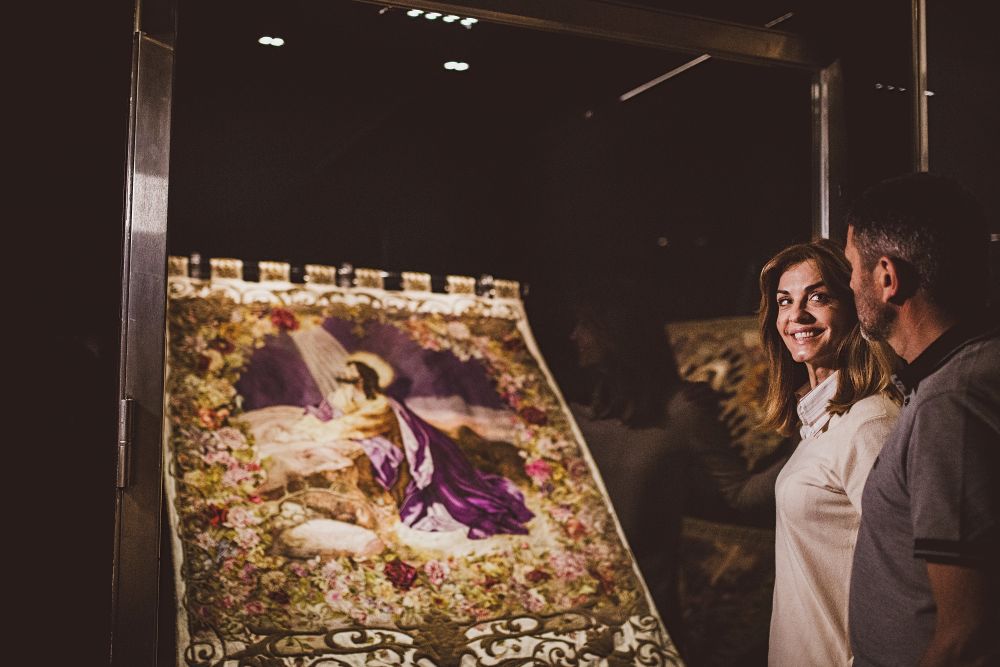
Much of the material heritage associated with Holy Week and Easter is the result of centuries of artisanal work. Sculptors, embroiderers, gilders, goldsmiths, restorers, and instrument makers have created and preserved a vast artistic legacy that continues to play a central role in these celebrations.
In many cases, these crafts are passed down from generation to generation. Artisan workshops continue producing or restoring images, embroideries, and liturgical pieces that hold not only devotional value but also significant historical and artistic importance.
This material heritage helps define the visual identity of celebrations in each European territory.
Traditional Gastronomy
Torrijas, typical Lenten sweet in Spain
Gastronomy is another essential element of Lenten culture. During these weeks, many families rediscover traditional recipes linked to ancient practices of fasting and abstinence.
Dishes prepared with fish, vegetables, or legumes—such as Lenten stews, cod prepared in various ways, garlic soups, or fish pies and casseroles—form part of a culinary heritage passed down through generations. Alongside these are typical sweets associated with this period, such as torrijas, pestiños, fritters, and ring-shaped pastries, found in many European regions during Lent.
These recipes, beyond their religious origins, reflect the history and identity of each region. In many European towns, the arrival of Lent is also recognized through these flavors and aromas that return each year to family kitchens and traditional restaurants.
Music and Sound Traditions
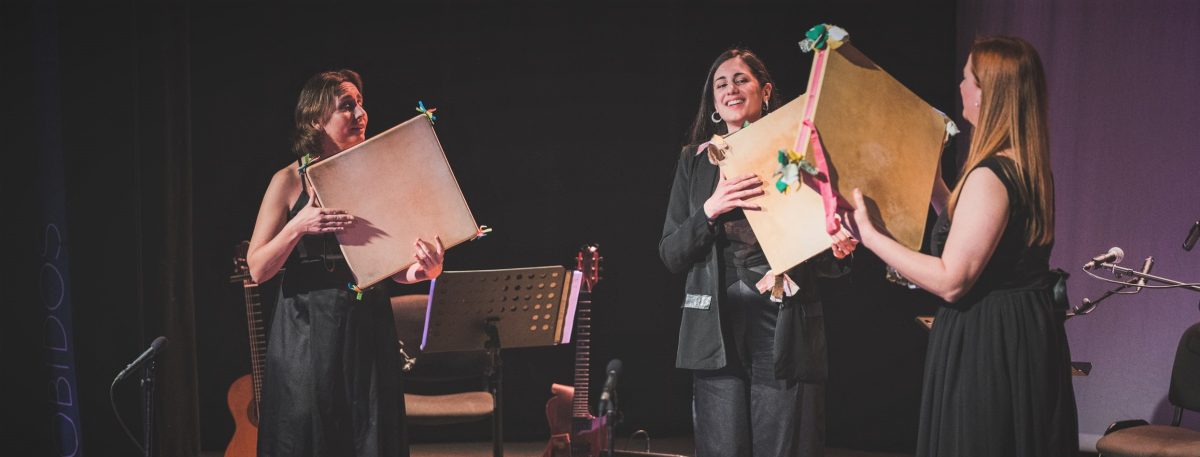
Adufe, traditional Portuguese instrument
Music also plays a fundamental role in the atmosphere of Lent and Holy Week.
Liturgical chants, processional marches, choirs, drums, trumpets, and bells accompany ceremonies and processions in many parts of Europe. These sounds help create a distinctive atmosphere that reinforces the symbolic meaning of the celebrations.
In many communities, bands and musical groups begin rehearsing weeks before Holy Week, preparing the compositions that will accompany rituals and processions.
The European Network as a Connector of this Heritage
Although each territory experiences Lent and Holy Week in its own particular way, all these traditions form part of a shared cultural heritage that transcends borders.
The European Network of Holy Week and Easter Celebrations was created precisely to highlight this common legacy and strengthen cooperation among the communities that preserve it.
Through this cultural itinerary, the Network connects municipalities from different countries that keep these traditions alive thanks to the commitment of their local communities—the true custodians of this heritage.
The initiative promotes the preservation, study, and dissemination of this legacy through congresses, meetings, exhibitions, educational programs, and cultural activities that help people better understand the historical and artistic dimensions of these celebrations.
Museums, interpretation centers, and exhibition spaces across various European territories preserve sculptures, embroideries, musical instruments, photographs, and documents that tell the story of these traditions and allow them to be discovered throughout the year.
In this way, the European Network helps demonstrate how deeply local traditions form part of a broader European cultural narrative where diversity and shared roots coexist.
A Living Heritage for the Future
In a constantly changing Europe, traditions linked to Lent, Holy Week, and Easter demonstrate how cultural heritage can remain alive and adapt to the present.
Far from being simple remnants of the past, these celebrations continue to evolve thanks to the involvement of the communities that sustain them.
Young people join brotherhoods and associations, artisans keep their crafts alive, musicians perform ancient compositions alongside contemporary works, and families pass on recipes and traditions to new generations.
This process of continuity and renewal allows Lent to remain today, in many regions of Europe, a time that connects past and present, memory and identity.
A period that reminds us that traditions endure not because they remain unchanged, but because the communities that live them continue to care for them, reinterpret them, and share them with the world.
We use cookies to ensure that we give you the best experience on our website. If you continue to use this site we will assume that you are happy with it.OkPrivacy policy