
Ħal Qormi (Città Pinto) is a city with a population of around 17,500, making it the third-largest locality in Malta. The town is situated southwest of Valletta, in the heart of the island, and borders Marsa, Luqa, Żebbuġ, Siġġiewi, Ħamrun, Birkirkara, Attard, Santa Venera, and Balzan.
Hal Qormi
Travelling the network
Hal Qormi
BACKGROUND
WHAT TO SEE
The city of Ħal Qormi, also known as Città Pinto, is divided into two parishes — one dedicated to Saint George and the other to Saint Sebastian. The locality is also home to two main valleys, Wied il-Kbir (The Large Valley) and Wied is-Sewda (The Black Valley), which merge into Wied iċ-Ċawsli (The Mulberry Tree Valley) leading towards Marsa.
The motto of Ħal Qormi, Altior ab Imo — Latin for “Rising from the low” — reflects the city’s geographical setting in a low-lying area at the centre of Malta, symbolizing its enduring spirit of progress and resilience.
Apart from its two archipresbyteral churches dedicated to Saint George and Saint Sebastian, Ħal Qormi is also adorned with several historic chapels that highlight the town’s deep-rooted religious and artistic heritage. Among these, the Chapel of St. Mary (Tal-Blat) holds particular importance, especially during the feast of the Assumption. Other notable chapels are dedicated to St. Peter, St. Catherine, St. Bartholomew, St. John the Baptist, St. Paul, and St. Francis of Assisi.
Many of these chapels date back to the 16th and 17th centuries, showcasing beautiful examples of Baroque and vernacular Maltese architecture. Historically, they served as places of prayer for local farmers and travellers crossing the surrounding valleys. Today, they remain treasured landmarks that enrich Qormi’s sacred landscape and stand as testaments to the town’s devotion, craftsmanship, and cultural continuity through the centuries.
Ħal Qormi is also nationally recognized as the capital of Maltese bread-making, boasting the largest number of bakeries in the country. Many of these bakeries still operate traditionally, using wood-fired ovens to produce the iconic Maltese bread that continues to define Qormi’s culinary identity.
HOLY WEEK AND EASTER
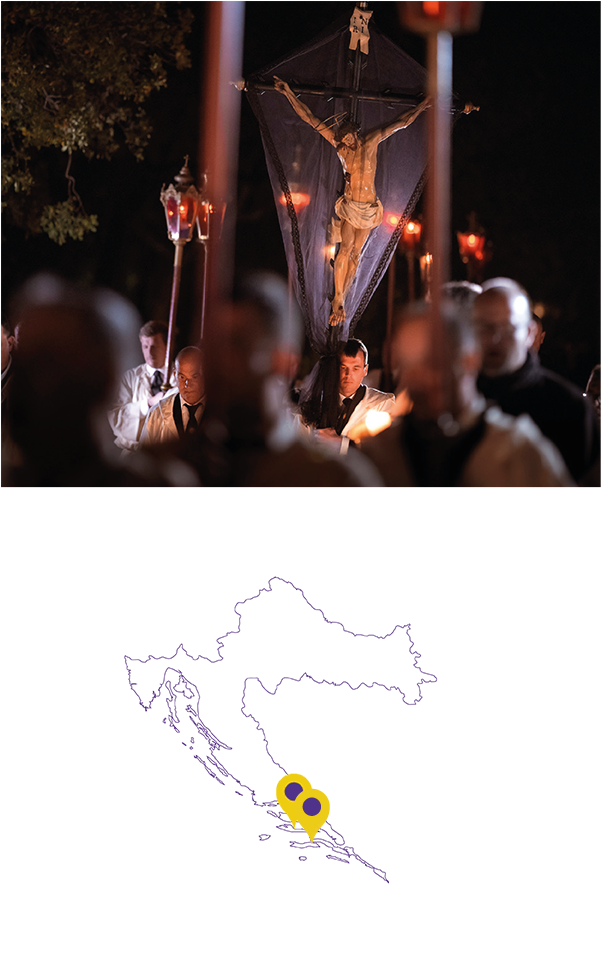
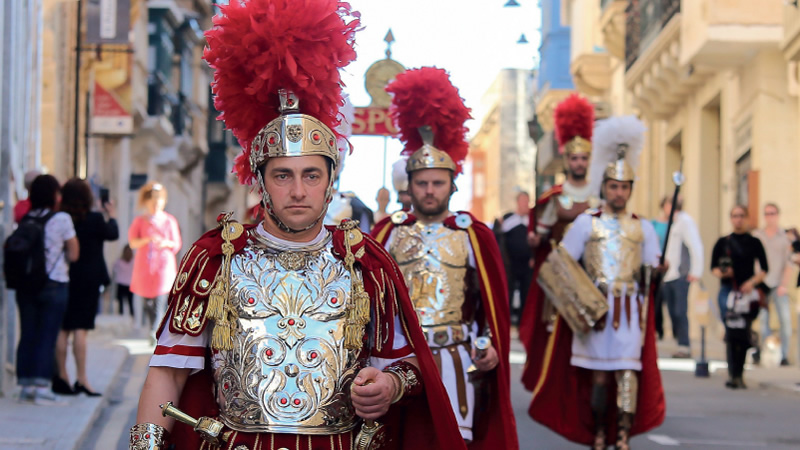
During Holy Week, Qormi stands out for its profound religious traditions and vibrant public expressions of faith, most notably the historic Good Friday procession, which dates back to 1764 and features over 800 participants, including around 120 individuals who carry life-sized statues depicting scenes from the Passion of Christ—among them Veronica, Mary Magdalene, and Our Lady of Sorrows, with unique pieces like The Last Supper adding local distinction. The observances begin with the Procession of Our Lady of Sorrows, held in both parishes and drawing large crowds from Qormi and the wider southern region of Malta. Palm Sunday follows with reenactments of biblical figures tied to the Passion narrative. Throughout Holy Week, the streets come alive with vendors offering traditional Lenten treats such as qagħaq tal-Appostli (Apostles’ Rings) and karamelli tal-ħarrub (carob sweets), blending devotion with festivity. The celebrations culminate on Easter Sunday with the Procession of the Risen Christ in each parish, highlighted by the traditional run with the statue back to the church—a powerful symbol of renewal and the joy of the Resurrection.